Ryan Saab
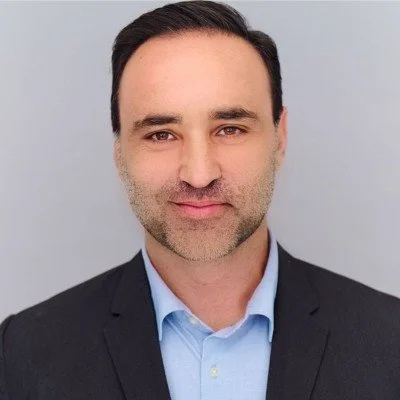
Ryan Saab
EVP, Talent and Creative Casting Operations -RWS Global
For Ryan Saab, recruiting was never part of a traditional career plan. Instead, his path into talent leadership evolved naturally through his deep involvement in the entertainment industry and his passion for connecting creative professionals with meaningful opportunities.
Before stepping fully into recruitment, Ryan worked in corporate finance. But over time, his career began shifting toward the intersection of talent, creativity, and large-scale entertainment operations.
Through previous ventures, Ryan became a trusted source for recruitment strategy within highly specialized entertainment spaces. His organization worked closely with pre-professional and professional singers, dancers, and actors across North America, helping aspiring artists develop their careers while simultaneously building relationships with major entertainment companies seeking talent.
As those relationships expanded, Ryan’s role evolved beyond career development and into large-scale talent acquisition.
“We almost became an intermediary for the clients we were representing,” Ryan explained. “Not as agents or managers, but from an educational and career development perspective that fed directly into large-scale entertainment organizations.”
What started as niche entertainment recruiting eventually grew into enterprise-level talent leadership roles serving large-scale hiring needs across the entertainment industry—a space Ryan has continued to lead in for more than a decade.
What Shaped His Leadership Philosophy
Ryan credits several mentors and leaders throughout his career for helping shape how he approaches recruiting, leadership, and talent evaluation today.
One of the earliest influences came during his time in corporate finance, long before he fully transitioned into recruitment. An HR and recruitment leader at the company helped Ryan recognize how to properly position and communicate the value of his experience early in his career.
That guidance became foundational.
As Ryan reflected, those early moments taught him how important positioning, confidence, and professional storytelling can be—especially for people still building their careers.
“Being early in your career, there are little steps along the way that are critical,” he shared. “Those moments really help shape where you ultimately grow professionally.”
As Ryan transitioned deeper into entertainment recruitment, he also found mentorship from producers, directors, and creative leaders across the industry. These individuals helped him better understand what success truly looks like in entertainment talent acquisition—a field where evaluating talent often extends far beyond resumes and traditional hiring methods.
Those experiences taught him how to assess potential, creativity, adaptability, and performance in ways that differ significantly from conventional recruiting environments.
Today, Ryan combines both perspectives: the structure and professionalism of corporate recruitment alongside the intuition and talent evaluation required in the entertainment world.
How AI Is Reshaping Recruiting
Working in entertainment recruitment gives Ryan a unique perspective on how AI is impacting hiring.
At RWS Global, much of the hiring process revolves around evaluating artistic talent, performance ability, and creative potential—qualities that often cannot be fully captured through resumes alone.
While traditional application materials still matter, Ryan estimates that the majority of hiring decisions in entertainment are influenced by factors beyond what exists on paper.
That said, Ryan has seen a significant increase in AI-assisted resumes, applications, and candidate materials over the past year.
“There’s definitely a very big uptick in clearly AI-written resumes and documents,” he explained.
Unlike some leaders who view that shift negatively, Ryan sees both opportunity and responsibility in the rise of AI-assisted recruiting.
He believes AI can be incredibly valuable for helping candidates better position themselves, optimize resumes for ATS systems, and communicate their experience more effectively—especially for individuals who may not otherwise have access to professional career guidance.
“I personally don’t see an issue with leveraging AI to help position yourself in a way that’s authentic and accurate to what you can actually do,” Ryan shared.
However, he also believes recruiters must become more intentional about validating information and ensuring that what candidates present genuinely aligns with their real-world experience and capabilities.
For Ryan, the future of recruiting isn’t about resisting AI—it’s about learning how to navigate it responsibly.
Ryan’s Advice for Talent Leaders in 2026
As AI continues becoming more embedded into recruiting workflows, Ryan encourages talent leaders to focus less on fear and more on adaptability.
He believes AI is not going away, and recruiters must learn how to work alongside it effectively rather than viewing it solely as a threat.
At the same time, Ryan stresses the importance of maintaining strong evaluation processes and not taking everything at face value.
“It’s really our job as leaders in the industry to understand how to navigate through confirming that the information presented is actually accurate and applicable to the candidate,” he explained.
Ryan also believes AI has helped level the playing field for many job seekers by giving them tools to improve their applications, communicate more clearly, and better understand modern hiring expectations.
For recruiting teams, the challenge moving forward will be balancing efficiency with discernment—embracing technology while still prioritizing human judgment, authenticity, and meaningful evaluation.
That balanced perspective, combined with his unique experience across entertainment, talent development, and enterprise recruitment, is what makes Ryan Saab a standout voice in modern talent acquisition—and a deserving member of the Talent 100.
