Michael Duplessis
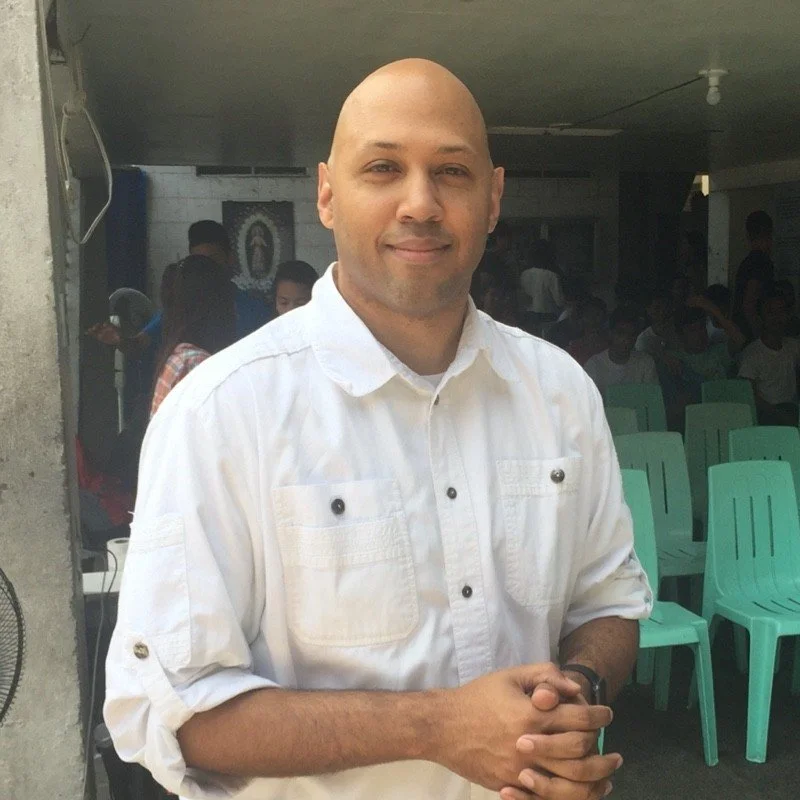
Michael Duplessis
Vice President, People & Talent Acquisition, Support Services Group
Mike Duplessis didn’t set out to build a career in recruiting. Like many talent leaders, he found his way into the profession through operational leadership and problem-solving.
In the mid-1990s, Mike was working at Dish Network, where he was responsible for running a 1,000-seat customer service call center in McKeesport.
At the time, the operation had only one HR representative supporting the entire workforce. That meant much of the recruiting responsibility fell directly on the operations team.
For Mike, that’s where his exposure to hiring began.
Later, he moved to TTEC, continuing to work in customer experience and operations. After nearly a decade in operational leadership roles, the company faced a major challenge — they had gone almost a year without a VP of Talent Acquisition while preparing for significant hiring ramps.
Leadership needed someone who understood the business and could solve the problem quickly.
Mike stepped in.
“They needed someone to fill the gap, and talent acquisition was the problem,” he explains.
He took on the role of VP of Talent Acquisition, and from that point forward recruiting became the center of his career. Since then, he has continued to lead global hiring strategies and build large-scale recruiting operations across organizations.
Leaders Who Influenced His Career
Looking back on his career, Mike credits several leaders who helped shape how he approaches recruiting and leadership.
Michael Wellman, former CHRO at TTEC, played a pivotal role by bringing Mike fully into talent acquisition leadership. Wellman recognized Mike’s ability to solve operational challenges and trusted him to step into the VP of Talent Acquisition role during a critical hiring period.
Earlier in his career, Lynn McCaffrey, an HR leader at Dish Network, helped him understand the delicate balance that exists within recruiting.
In high-volume hiring environments, companies often feel pressure to hire quickly — but McCaffrey showed him the importance of balancing speed with hiring the right people.
Another major influence was Kathy Beckett, the recruiter who originally recruited Mike from Dish Network to TTEC.
Her approach to recruiting stood out.
“She treated the process like a white-glove experience,” Mike recalls.
More importantly, she helped him see recruiting through a different lens — not simply as filling roles, but as selling opportunities.
“It’s not a company offering a job,” he explains. “It’s presenting an opportunity and allowing someone to choose it.”
How AI Is Changing the Recruiting Landscape
As artificial intelligence continues to transform the hiring process, Mike sees the recruiting landscape evolving on both sides of the equation.
Employers now use AI tools for resume screening, candidate matching within ATS platforms, job simulations, and assessments. At the same time, job seekers are using AI to generate resumes, tailor applications, and navigate application systems more efficiently.
The result, in Mike’s words, is something of a technology chess match.
“It’s almost AI versus AI,” he says.
But despite the growing influence of technology, the most important part of the hiring process hasn’t changed.
“At the end of the day, someone still has to say yes,” Mike explains — both the company hiring the candidate and the candidate choosing the opportunity.
No matter how sophisticated the tools become, recruiting still comes down to human decisions.
Advice for Talent Leaders Heading Into 2026
As recruiting continues to evolve, Mike believes the biggest challenge talent leaders face is the sheer volume of applicants in today’s hiring environment.
With platforms like LinkedIn, it’s common for job postings to receive hundreds — sometimes thousands — of applications within hours.
That scale makes it difficult for recruiting teams to efficiently identify the right candidates.
Because of this shift, Mike encourages leaders to rethink how they structure their recruiting strategies.
First, he recommends building talent pools so organizations know where to find the right candidates before roles even open.
Second, he emphasizes the importance of understanding which job boards work best for specific regions or talent markets. In his global work, Mike frequently uses platforms such as Indeed, JobStreet, and other region-specific hiring sites.
But his most important recommendation focuses on the hiring decision itself.
Mike encourages what he calls “selection by community.”
Instead of leaving hiring decisions to a small group, he believes more team members should participate in evaluating candidates by reviewing interviews, assessments, and feedback collaboratively.
When teams feel involved in the hiring decision, it strengthens alignment and improves long-term success once the candidate joins.
Ultimately, Mike believes recruiting success comes down to matching the right person to the right role.
That requires giving candidates a clear and honest view of what the job actually looks like so they can determine whether it truly fits their skills and goals.
In today’s hiring environment, he believes two outcomes matter most:
Speed to proficiency and long-term retention.
When companies get that match right, recruiting becomes more than filling positions — it becomes a strategic driver of organizational success.
