Mat Wisner
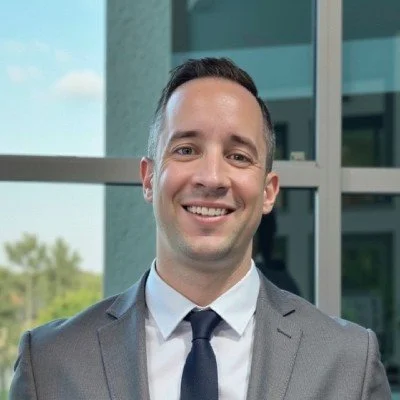
Mat Wisner
Senior Director, Strategic Talent Pipelines - Walmart
For Mathew Wisner, recruiting began at the intersection of business, technology, and people.
While studying Management Information Systems in college, Mathew expected to build a career in coding or technology. After graduation, he interviewed for programming roles, including with Washington Mutual, but found himself drawn to a different opportunity: technical recruiting.
Recruiting offered him a way to use his technology background while also engaging with professionals and companies.
“It seemed like a more interesting intersection of what I learned,” he says.
He began his career as an agency recruiter in the Pacific Northwest during a major growth period for companies like Microsoft and Expedia. That experience gave him a strong foundation in technical recruiting and opened the door to a career that would later span major organizations including Amazon and Walmart.
Building Programs That Shape the Future
One of the most meaningful chapters in Mathew’s career came at Amazon, where he helped launch what became Amazon Future Engineer.
While leading recruiting within Amazon’s consumer business, Mathew saw that if companies wanted to reach more—and more diverse—future technology talent, they needed to engage much earlier than college graduation.
That insight led to a program focused on supporting high schools, especially those without access to computer science education.
Through that experience, Mathew learned the value of persistence, feedback, and continuing to move a good idea forward even when it stretches beyond your existing expertise.
Learning Through Sponsors and Support
Mathew credits several leaders with helping him grow, especially during moments when he was stepping into unfamiliar territory.
One recruiting leader encouraged him to keep developing the Amazon Future Engineer concept, even as it moved beyond traditional recruiting.
Later, a business leader supported him as he moved into a product management role to help launch the program.
That leader provided encouragement, honest feedback, and sponsorship at key points in Mathew’s career.
For Mathew, those experiences reinforced the importance of persistence, iteration, and not giving up on meaningful ideas.
How AI Is Reshaping Talent
Today, Mathew sees AI reshaping recruiting, early careers, internal mobility, talent architecture, and learning.
At Walmart, his work connects closely to the future of work, including early career hiring, internal mobility, talent architecture, and education through the Live Better U program.
He believes AI is changing how companies think about talent development, especially for early career roles.
Rather than eliminating junior roles, Mathew sees AI changing what those roles can become.
Early career software engineers, for example, may be able to contribute at a higher level sooner because AI can help with coding, testing, and other parts of the development lifecycle.
Advice for Talent Leaders Heading into 2026
Mathew’s advice for talent leaders is to stay deeply curious about the future of work.
As AI and skills continue to evolve quickly, talent leaders need to look beyond operational excellence and strengthen their strategic advisory role.
That means understanding how roles are changing, how skills are shifting, and how labor needs are evolving in real time.
For Mathew, the pace of change requires talent teams to move faster, think more strategically, and build systems that can adapt as the market changes.
By combining technical understanding, recruiting experience, program-building, and a future-focused view of work, Mathew Wisner represents the kind of talent leader helping organizations prepare for what comes next.
