Ian Stammers
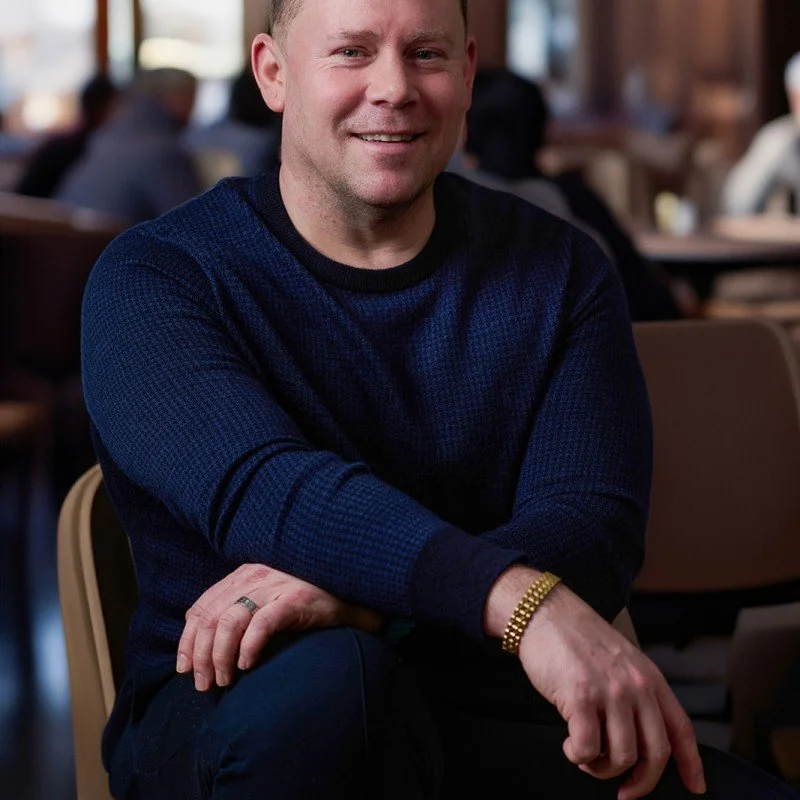
Ian Stammers
Head of Talent Acquisition - European Space, Serco
Ian Stammers began his career in recruiting long before modern tools transformed the industry.
Starting in the late 1990s, Ian entered the field through a structured training program at Capita in London. At the time, recruiting looked very different — CVs were faxed, processes were manual, and technology played a minimal role in day-to-day operations.
What started as an opportunity quickly became a long-term career.
Over the past 25+ years, Ian has built a global career in talent acquisition, working across both agency and in-house environments. His experience spans multiple regions, including time in the Middle East and Europe, where he developed deep expertise in international hiring and talent strategy.
Throughout his journey, one constant has remained: recruiting is fundamentally about people.
Ian has worked closely with professionals at every level — from executives such as CTOs and CFOs to highly specialized technical talent — building long-term relationships that extend far beyond individual placements.
In his current role at Serco, a global organization with tens of thousands of employees, Ian focuses on large-scale and highly specialized hiring, including work connected to government and space-related sectors across Europe.
One of the most meaningful aspects of his work is the ability to change lives. From relocating individuals and their families across countries to creating new career opportunities, Ian sees talent acquisition as a profession that creates lasting human impact.
Leadership Influences and Lessons From Experience
Over the course of his career, Ian has been influenced by a range of leaders who helped shape his approach to talent acquisition and leadership.
One of the most impactful figures was a former agency leader he worked with in the Middle East. As a co-founder and CEO, this leader demonstrated what it meant to lead from the front — never asking others to do something he wouldn’t do himself.
He was deeply client-focused, highly detail-oriented, and maintained an open, approachable leadership style despite his seniority. His accessibility and ability to build strong relationships left a lasting impression on Ian.
That experience reinforced a key leadership principle Ian carries to this day: respect is earned through action, not hierarchy.
Beyond individual mentors, Ian credits much of his development to learning from a wide range of people throughout his career. He describes talent acquisition as “baking a cake,” where different influences contribute different ingredients.
By observing various leadership styles, approaches, and techniques, Ian has built his own philosophy by combining the best elements from those he has worked with.
He also highlights the importance of humanity in leadership — treating everyone in an organization with respect, regardless of role, and maintaining a people-first mindset in an increasingly technology-driven world.
Evolving Recruiting Landscape and the Role of AI
Having spent over two decades in the industry, Ian has witnessed firsthand the dramatic transformation of recruiting.
From the early days of manual processes to today’s technology-driven environment, the evolution has been significant. The introduction of platforms like LinkedIn and the rise of automation tools have fundamentally changed how talent acquisition operates.
More recently, artificial intelligence has had a major impact.
At Serco, Ian and his team have implemented an AI-driven CRM system that automates key aspects of the recruiting process, including candidate sourcing, interview scheduling, and applicant scoring.
This shift has allowed recruiters to spend less time on administrative tasks and more time building relationships with hiring managers and stakeholders.
For Ian, this is where AI delivers the most value — not by replacing recruiters, but by enabling them to focus on higher-impact work.
However, he is clear that technology should not replace the human element.
Recruiting remains a people-first function, and maintaining genuine human interaction is critical. While automation can improve efficiency, building trust, understanding candidates, and fostering relationships still require a human touch.
Advice for Talent Leaders Heading Toward 2026
As the industry continues to evolve, Ian believes talent leaders must be proactive in adapting to change.
First and foremost, embracing technology is essential. Organizations and individuals who fail to adopt new tools — particularly AI — risk falling behind in an increasingly competitive landscape.
At the same time, he emphasizes that understanding the business is critical for any talent leader.
Recruiting should not be viewed as a purely transactional function focused on filling roles. Instead, leaders must develop a deep understanding of business goals, stakeholder priorities, and long-term strategy.
By aligning talent acquisition efforts with organizational objectives, teams can deliver greater value and impact.
Ian also highlights the importance of being proactive rather than reactive. Talent leaders should take initiative in identifying challenges, proposing solutions, and driving strategic conversations — rather than waiting for direction from stakeholders.
Finally, while technology continues to advance, Ian stresses the importance of maintaining the human element in recruiting.
Balancing innovation with empathy, automation with relationship-building, and efficiency with authenticity will define successful talent leaders in the years ahead.
For Ian Stammers, the future of talent acquisition lies in combining decades of experience with a willingness to evolve — always keeping people at the center of the process.
