Trevor Gelder
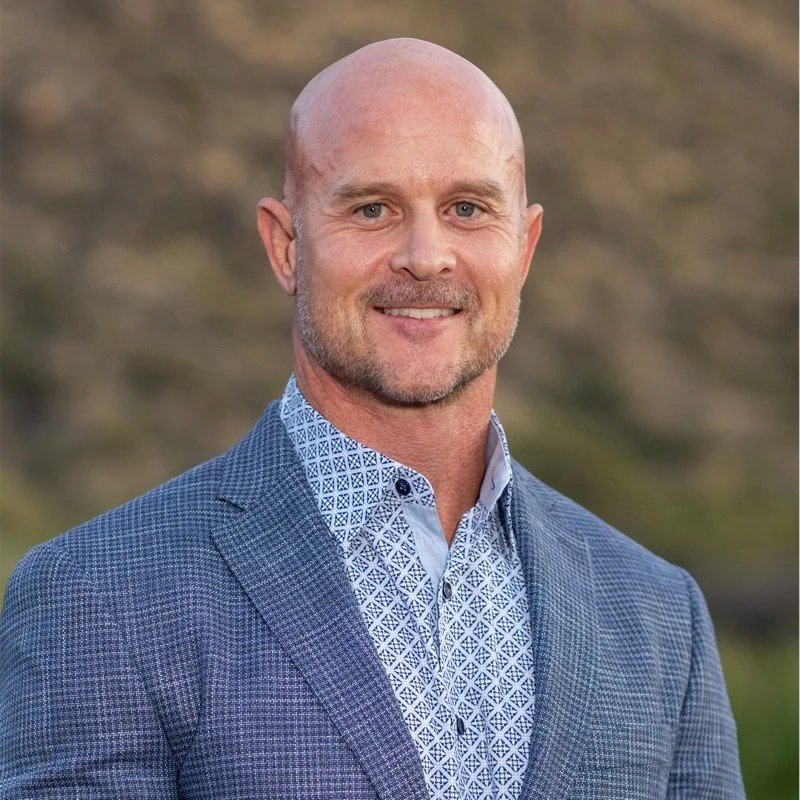
Trevor Gelder
Vice President & Head of Talent, Progress Residential
Trevor Gelder didn’t grow up dreaming of a career in recruiting. In fact, like many talent leaders, he found his way into the field almost by accident.
A graduate of Arizona State University with a degree in kinesiology, Gelder initially envisioned a future connected to health, fitness, and exercise science. Before committing to further education, he decided to explore corporate career paths — just to see what else might be out there.
A friend working at a recruiting firm in Phoenix introduced him to the industry. The firm specialized in hiring recent graduates and training them from the ground up in the fundamentals of recruiting. Gelder took the leap, stepped into the role, and never looked back.
“I started in the pit, on the phones,” he recalls. “This was before all the advanced sourcing tools we have today. We were calling through lists of names and grinding it out every day.”
That early experience built the foundation for a career that has now spanned more than two decades.
From Agency to In-House Leadership
Gelder progressed quickly in the agency world, moving from individual contributor into leading small teams. Over time, he became increasingly interested in the corporate side of talent acquisition — working inside one organization rather than recruiting for many from the outside.
He made the transition to in-house recruiting and steadily grew into leadership roles across multiple organizations. Today, he serves as Vice President of Talent at Progress Residential, one of the largest property managers of single-family rental homes in the United States.
In his current role, Gelder oversees both talent acquisition and learning & development, leading a team of nearly 20.
“It’s an exciting industry,” he says. “Property management has been around a long time, but the single-family rental space is still evolving. There’s a lot of room for innovation in how we attract, develop, and retain talent.”
What Still Drives Him
Even after decades in the field, the same core motivations that drew Gelder to recruiting in the beginning still energize him today.
One is competition.
A former athlete, he’s always been driven by the pursuit of winning — and recruiting gave him a professional outlet for that mindset.
“There’s always competition for talent,” he says. “Getting to the finish line first, building strong teams, and doing it the right way — that still fuels me.”
But beyond the competitive element, what keeps him deeply invested in the profession is impact.
“Changing careers is one of the most stressful and meaningful transitions in someone’s life,” Gelder explains. “We have the opportunity to truly change someone’s trajectory.”
That sense of responsibility shapes how he leads his team. At Progress Residential, both hiring managers and candidates are viewed as customers, and the goal is to deliver a best-in-class experience for both.
Balancing Technology and the Human Touch
Like many talent leaders, Gelder is closely watching the rise of AI and new recruiting technologies. While he sees clear benefits, he’s cautious about overcorrecting toward automation.
“There has to be balance,” he says. “Recruiting is built on relationships. Technology can support us, but it can’t replace genuine human connection.”
His team uses tools and automation where it makes sense, particularly in early-stage communication and efficiency gains. But they are intentional about ensuring candidates always feel they have access to real people.
“We want candidates to feel like there are humans here who care about their experience,” he says. “That connection point still matters.”
For Gelder, the future of recruiting isn’t about choosing between AI and people — it’s about integrating both in a way that strengthens, rather than weakens, the candidate journey.
Advice for Talent Leaders in 2026
As the talent landscape continues to evolve, Gelder believes clarity of purpose is what will separate strong talent teams from the rest.
“We have to be clear on why we do this work,” he says. “This isn’t just transactional. There’s real meaning behind bringing the right people into an organization.”
He encourages leaders to consistently communicate that purpose to their teams — reminding recruiters that their work directly shapes company performance, culture, and innovation.
“When people understand the impact they have, it changes how they show up,” he explains. “We’re not just filling jobs. We’re creating value and helping build something bigger.”
For Gelder, great talent leadership comes down to combining competitive drive, human empathy, and a clear sense of mission — a formula he believes will remain essential no matter how much technology evolves.
