Steven Lessard
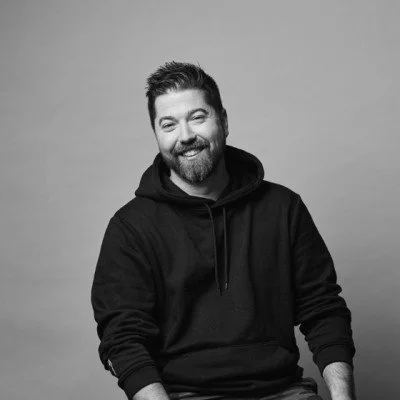
Steven Lessard
Directeur principal, Talent, Plus Company
Steven Lessard’s journey into recruiting is defined by versatility—shaped by a career that blends talent acquisition, talent management, and broader HR leadership across a dynamic, fast-evolving industry.
He began his career in recruitment within the technology space, building a strong foundation in talent acquisition early on. In 2016, he joined Cossette, part of Plus Company, where his role quickly expanded beyond recruiting into a more holistic HR function. Over time, Steven transitioned into a 360-degree leadership position, overseeing both talent acquisition and talent management while partnering closely with teams responsible for each.
Operating within Plus Company—a collective of agencies spanning advertising, media, digital, and public relations—Steven works across a wide range of disciplines. Supporting the East region of Canada, including Montreal, Quebec, and Halifax, he plays a key role in aligning talent strategy with business direction across approximately 700 employees.
His work sits at the intersection of strategy and execution. From coaching senior leadership to shaping organizational design, Steven helps define what the future of the business should look like—and, critically, what talent is needed to get there. Rather than simply reacting to open roles, he focuses on anticipating future needs, bringing market insights and forward-thinking strategies into the conversation.
In recent years, that has included helping embed AI into the company’s strategic roadmap—preparing both the organization and its people for a shift that is already redefining roles and creating entirely new ones.
What Energizes Him Most
For Steven, energy comes from working at the crossroads of business transformation and talent strategy.
He thrives in environments where change is constant and where talent plays a central role in shaping what comes next. Whether it’s identifying emerging skill sets, advising leadership on workforce planning, or navigating entirely new categories of roles—such as AI-focused positions that didn’t exist just a few years ago—Steven is motivated by the challenge of building for the future.
Equally important is collaboration. Working closely with leaders across the business, he values the ability to influence decisions that go beyond hiring—impacting how organizations evolve, grow, and stay competitive.
How Recruiting Is Changing
Steven sees AI as both an enabler and a turning point for talent acquisition.
While many organizations are still in the early stages of adoption, he believes the shift toward AI-first thinking is inevitable. For now, many companies—including his own—are operating with legacy tools that have added AI capabilities, rather than fully transitioning to platforms designed around AI from the ground up.
But the mindset shift is already underway.
For Steven, the real challenge isn’t just implementing new tools—it’s ensuring organizations are ready to embrace them. That means fostering openness to innovation, rethinking processes, and preparing teams for a new way of working.
At the same time, he is acutely aware of the complexity this brings. As roles evolve and new positions emerge—particularly in areas like AI—companies are often hiring for skills that don’t yet have an established talent pool. This creates both opportunity and friction, requiring recruiters to think creatively and operate with a more forward-looking lens.
Ultimately, Steven sees this moment as a transition point: from incremental change to a more fundamental transformation in how recruiting operates.
Steven’s Advice for 2026
Looking ahead, Steven believes the future of talent acquisition will be defined by balance.
On one side, organizations must embrace automation and technology to scale their impact. AI and new tools will be essential in amplifying the capabilities of HR and recruiting teams, allowing them to operate more efficiently and strategically.
On the other, there is an equally important need to double down on human connection.
In a post-pandemic world, where hybrid and remote work have reshaped how people interact, Steven sees talent teams as key drivers of in-person experience and organizational culture. Rebuilding connection—both for candidates and employees—will be critical.
He also emphasizes the importance of personalization, particularly for senior talent. While technology can broaden access to candidates, it cannot replace the value of tailored engagement, relationship-building, and long-term connection.
This extends beyond hiring. Steven highlights the importance of maintaining relationships even after employees leave, creating opportunities for “boomerang” talent—individuals who return with new perspectives and experiences that strengthen the organization.
For Steven, the path forward is not about choosing between technology and people—it’s about mastering both.
By embracing innovation while reinforcing the human elements of recruiting, talent leaders can build organizations that are not only more efficient, but also more connected, adaptive, and prepared for what comes next.
