Roman Ward
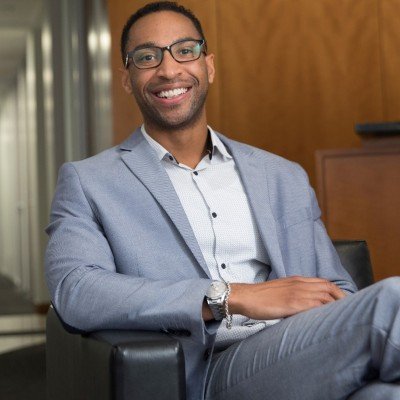
Roman Ward
Director of Operations - CareLinx, Sharecare
Like many accomplished leaders in talent acquisition, Roman did not begin his career with a plan to enter recruiting.
His journey into talent acquisition started through a personal connection. While working in quality assurance at the United States Military Academy, Roman found himself considering both a geographic relocation and a new professional challenge. A friend working at a large staffing agency introduced him to the recruiting industry and encouraged him to explore a career that aligned naturally with his strengths.
“I learned about the recruitment world through a friend,” Roman explained. “My personality was a bit outgoing, I was able to connect with people relatively easily and quickly, and my business background made it a natural avenue to explore.”
What began as a career transition eventually became a long-term profession. More than sixteen years later, Roman continues to build his career around helping organizations find exceptional talent while helping people advance their professional journeys.
Throughout that time, one consistent theme has remained central to his approach: recruiting is ultimately about people.
Leading with Empathy and Balance
When reflecting on the leaders who most influenced his career, Roman highlighted experiences that shaped not only his recruiting philosophy but also his leadership style.
One of the earliest influences was a vice president at his first staffing firm. Roman credits this leader with showing him how strong performance expectations can coexist with empathy and humanity.
“He demonstrated a great balance of being a great human while also not being a pushover,” Roman shared.
What stood out most was the leader’s understanding of the human condition and his ability to incorporate empathy into recruiting without sacrificing accountability. That example helped Roman develop his own philosophy around leadership—one that values both performance and genuine care for people.
Interestingly, not all of Roman’s most important lessons came from positive experiences.
One manager, whose leadership style ultimately led Roman to leave an organization, provided valuable insight into the type of leader he never wanted to become.
Like many professionals, Roman experienced firsthand how leadership can dramatically impact employee engagement and retention. Rather than focusing on frustration, he chose to extract lessons from the experience.
The situation reinforced the importance of putting people ahead of short-term metrics and treating team members with respect, support, and understanding.
“I learned how not to lead,” he explained. “And I learned the importance of being a better person to my team.”
Roman also finds inspiration from emerging leaders within his own organization. Watching newer managers navigate the transition from individual contributor to leader has provided fresh perspectives on leadership development and organizational growth.
For him, leadership is a continuous learning process—one where lessons can come from mentors, peers, direct reports, and personal experiences alike.
Building Strong Talent Organizations Through Human Connection
At the core of Roman’s leadership philosophy is a belief that recruiting cannot be reduced to processes, systems, or metrics alone.
While operational excellence matters, he believes the true value of talent acquisition comes from understanding people, recognizing potential, and building authentic relationships.
Throughout his career, Roman has consistently focused on balancing business needs with human understanding.
That balance becomes particularly important in leadership positions, where decisions affect not only hiring outcomes but also employee experiences, team culture, and long-term organizational success.
His approach emphasizes empathy, communication, and strategic thinking while ensuring recruiting teams remain focused on delivering measurable business impact.
The Rise of AI and the Future of Recruiting
Like virtually every talent leader today, Roman has spent significant time thinking about the impact of artificial intelligence on recruiting.
He views AI as one of the most transformative developments the industry has experienced in years, but he also believes its impact extends far beyond talent acquisition itself.
“AI is impacting the work that people do and the work that recruiters hire for,” he explained.
Roman pointed to several functions—including administrative work, data entry, accounting support, and certain entry-level technology roles—that are already being influenced by automation and AI-driven workflows.
As job requirements evolve, he believes recruiters must adapt alongside the workforce by developing a deeper understanding of changing skill requirements and helping organizations navigate workforce transformation.
At the same time, Roman sees AI as a powerful enhancement tool for recruiting teams.
Used correctly, AI can improve efficiency, streamline workflows, and support better decision-making. However, he remains cautious about relying too heavily on automation in areas that require human judgment.
For Roman, some of the most important aspects of hiring remain difficult to replicate through algorithms alone.
Understanding motivation, identifying organizational fit, evaluating interpersonal dynamics, and recognizing potential often require experience, intuition, and human conversation.
“There are nuances to individuals that we can understand,” he explained. “The gut feeling and the human element are things that can never be replaced.”
Rather than viewing AI as a replacement for recruiters, Roman sees it as a tool that can strengthen recruiting teams while allowing professionals to focus on higher-value interactions.
His perspective reflects a growing consensus among talent leaders: the future belongs to organizations that successfully combine technology with human-centered recruiting practices.
A Leadership Philosophy Built for the Future
As recruiting continues evolving, Roman believes the strongest talent leaders will be those who embrace innovation without losing sight of what makes recruiting effective in the first place.
Technology will continue advancing. AI will become increasingly sophisticated. Hiring processes will continue changing.
But through all of that transformation, Roman believes the human side of recruiting must remain at the center.
His leadership journey—from quality assurance professional to talent acquisition leader—has reinforced a simple but powerful lesson: great recruiting is ultimately about understanding people.
Whether developing teams, supporting candidates, advising hiring managers, or leveraging new technologies, Roman approaches talent acquisition through a lens of empathy, adaptability, and continuous growth.
That combination of people-first leadership, thoughtful perspective, and commitment to evolving alongside the industry is exactly what makes Roman a deserving member of the Talent 100 Awards.
