Robert Rice
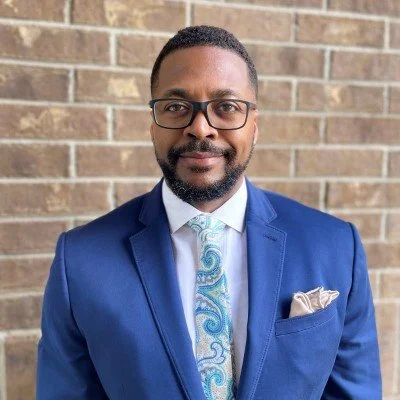
Robert Rice
Global Head of Talent Acquisition - ERM
For Robert Rice, recruiting offered the perfect combination of psychology, strategy, business partnership, and problem-solving.
After graduating from California Polytechnic State University with a degree in psychology, Robert was evaluating his next career move. Graduate school was an option, but conversations with friends already working in recruiting introduced him to a profession he had never seriously considered before.
That opportunity led him to a boutique staffing firm during the height of the dot-com era, where he worked with early-stage startups and emerging technology companies.
“I started having success and caught the bug,” Robert recalls.
What began as a first job quickly evolved into a long-term career. Over time, Robert moved from agency recruiting into internal talent acquisition leadership roles, building expertise across global recruiting, workforce planning, stakeholder management, talent strategy, and organizational growth.
Today, after more than two decades in talent acquisition, Robert leads global recruiting initiatives while helping organizations navigate increasingly complex talent markets across multiple regions and cultures.
The Strategic Side of Talent Acquisition
While recruiting is often viewed as simply filling open positions, Robert sees the profession as one of the most dynamic and multifaceted functions within HR.
“We have attraction, stakeholder engagement, negotiations, workforce planning, data analysis, talent strategy, and so many different aspects that you don’t find in other HR functions,” he explains.
Throughout his career, Robert has become particularly passionate about workforce planning and talent strategy. He believes recruiting leaders must look beyond external hiring and develop a deeper understanding of internal talent mobility, market dynamics, and long-term workforce needs.
“How do we leverage internal talent? How do we grow talent within the organization? What are our talent pools telling us?” he asks.
For Robert, great talent acquisition leaders are not simply reacting to hiring requests. They are helping organizations anticipate future workforce challenges and build strategies to address them before they become critical.
That strategic mindset has become even more important as he has taken on increasingly global responsibilities, supporting teams and talent markets across North America, Europe, Asia, and Latin America.
“Every region has different dynamics,” he says. “Understanding those differences is a critical part of being successful globally.”
Building a Business Through Recruiting Skills
One of the most unique chapters of Robert’s career came when he temporarily stepped away from corporate talent acquisition to launch his own business.
In 2016, he founded and operated a youth sports franchise, becoming the first franchise owner for the organization in Texas.
Leveraging skills developed throughout his recruiting career, Robert built the business from the ground up.
He handled marketing, staffing, customer acquisition, relationship management, and operations—many of the same skills that talent leaders use every day.
Within a short period of time, the organization grew from zero participants to more than 800 children competing on Saturdays across basketball, flag football, volleyball, and other youth sports programs.
“I took many of the capabilities I learned in talent acquisition and applied them to building a business,” he says.
The experience reinforced his belief that recruiting develops highly transferable leadership and business skills that extend far beyond hiring alone.
Lessons From Great Leaders—and Difficult Ones
When reflecting on the leaders who shaped his career, Robert points first to James Toft, a global HR executive who gave him an opportunity early in his career while working in Norway.
Not only did James help Robert re-establish himself within talent acquisition, but he also invested heavily in his growth by supporting his professional development, funding his master’s degree, and helping facilitate an international relocation.
“He was one of my biggest supporters and promoters as I advanced through my career,” Robert says.
Another influential leader was Andrea Kidd, a senior business leader at ERM who became a strong advocate for Robert’s work and capabilities.
Through their partnership, Robert gained deeper insight into executive stakeholder management, collaboration, and the importance of building trusted relationships across the business.
“She helped solidify my role and my advancement within the organization,” he explains.
Interestingly, Robert also points to a difficult leadership experience as one of the most valuable lessons of his career.
After relocating to Houston, he found himself struggling to navigate the dynamics between corporate and regional teams. Eager to contribute, he quickly began sharing ideas and recommendations without fully understanding the local landscape.
The experience taught him an important lesson that continues to shape his leadership approach today.
“Learn first how things operate before trying to influence change,” he says.
That perspective now informs how he coaches recruiters and talent leaders entering new organizations or leadership roles.
Embracing AI Without Fear
As artificial intelligence becomes increasingly integrated into recruiting, Robert believes talent leaders must move beyond simple adoption and focus on true engagement.
His team is currently implementing new AI-enabled recruiting technologies, including CRM platforms and sourcing tools designed to improve efficiency, collaboration, and candidate engagement.
However, he recognizes that technology adoption is often accompanied by uncertainty.
“Some people are understandably nervous when new technology is introduced,” he says.
Rather than forcing change, Robert focuses on helping teams understand the practical value of new tools while creating systems that encourage adoption.
That includes highlighting success stories, identifying power users who can coach others, and demonstrating how AI can improve everyday recruiting activities.
His team has already leveraged AI for sourcing, talent mapping, communication development, job posting optimization, analytics, and workforce planning initiatives.
“We don’t just want people to adopt the technology,” he explains. “We want them to embrace it.”
For Robert, AI is not about replacing recruiters. It is about creating consistency, increasing efficiency, and allowing recruiters to spend more time on the human aspects of talent acquisition.
Advice for Talent Leaders Heading Into 2026
As recruiting continues to evolve, Robert believes successful talent leaders must remain adaptable and willing to learn.
New technologies, changing labor markets, shifting candidate expectations, and global workforce challenges will continue to reshape the profession.
Rather than resisting those changes, he encourages recruiting teams to embrace them.
“We need to find ways to use these tools in our day-to-day work,” he says.
At the same time, he believes leaders must continue investing in their people. Recruiting remains a highly relationship-driven profession where energy, communication, and trust directly influence hiring outcomes.
“We are the sales function,” Robert explains. “The way we engage with candidates and hiring managers can directly impact whether someone joins the organization.”
For Robert, the future of talent acquisition lies at the intersection of technology, strategy, and human connection.
By combining workforce planning, global perspective, thoughtful leadership, and a willingness to embrace innovation, Robert Rice continues to help shape the future of talent acquisition on a global scale.
