Matt Battista
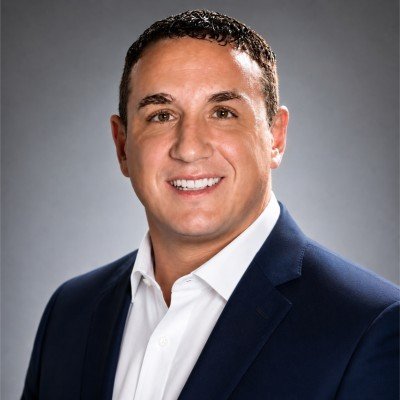
Matt Battista
Vice President of Talent Acquisition - Lennar
For many talent leaders, recruiting is a career they discover unexpectedly. For Matt Battista, that journey started far away from talent acquisition—in engineering.
Today, as a senior talent acquisition leader, Matt is known for building scalable recruiting organizations, embracing innovation, and helping businesses attract top talent. But his path to recruiting was anything but traditional.
An Unconventional Path into Talent Acquisition
After graduating from college, Matt began his career as an engineer, working alongside his father within the same organization.
“If you've ever worked for your mom or dad, you probably know where this story is going,” he jokes.
Looking to carve out his own path, Matthew decided to leave the organization and pursue opportunities elsewhere. While waiting for a non-compete agreement to expire, he took a position in retail.
What initially seemed like a temporary stop quickly evolved into a successful career.
Matthew excelled in operations and field leadership roles, eventually earning opportunities at the corporate level where he helped identify and scale best practices across the organization. During that time, he developed a close working relationship with the company's Chief Learning Officer, who introduced him to the world of HR.
Before long, Matthew transitioned from operations into Learning & Development, helping build leadership and employee development programs.
A year later, that same executive accepted a Chief Human Resources Officer role at another major organization. When his non-compete expired, he reached out to Matthew with an opportunity that would change the trajectory of his career.
“He invited me to join his organization to lead corporate recruiting,” Matthew recalls. “I knew nothing about talent acquisition, but apparently I fooled him really well.”
What his mentor saw was someone with the core traits necessary to succeed in recruiting: relationship-building, communication, emotional intelligence, resilience, and grit.
The decision proved to be the right one.
Matthew quickly immersed himself in the recruiting world, progressing through increasingly complex talent acquisition leadership roles spanning corporate recruiting, field recruiting, executive hiring, and supply chain talent acquisition.
His career growth, he says, was driven largely by relationships, continuous learning, and the willingness to embrace new challenges.
Learning from Influential Leaders
When asked about the people who have had the greatest impact on his career, Matthew immediately points to three leaders who helped shape his approach to talent acquisition and leadership.
Jim Viola
The first is Jim Viola, the CHRO who brought Matthew into recruiting.
As a former recruiter himself, Jim possessed deep knowledge of the talent acquisition profession and taught Matthew one of the most important principles in recruiting: urgency.
“He taught me how important acting with urgency is in recruiting.”
That lesson continues to influence how Matthew leads talent acquisition teams today.
Drew Holler
The second leader is Drew Holler, his current CHRO.
Matthew credits Drew with helping him think differently about innovation, technology, and automation.
“He’s really taught me how to think about technology and how to weaponize technology.”
Rather than viewing technology as a replacement for people, Matthew learned how technology can eliminate repetitive administrative work and allow professionals to focus on higher-value activities that require judgment, creativity, and relationship-building.
Jackie Perez
The third leader is Jackie Perez, Senior Vice President of Human Resources.
Through her mentorship, Matthew expanded his perspective beyond recruiting and learned how broader business strategies intersect with talent.
“Before, I was really focused on talent attraction strategies. Now I have a much more holistic view.”
Today, he approaches workforce planning through a broader lens that includes organizational structure, leadership development, employee growth, and long-term business objectives.
The Future of Recruiting in an AI-Powered World
Matthew has become a strong advocate for AI adoption within talent acquisition and has been leveraging AI technologies within recruiting operations for several years.
Yet he believes the industry is still only beginning to understand AI’s full impact.
“I don’t think we’ve seen all the impact that AI is going to make in talent acquisition.”
While AI is rapidly transforming sourcing, screening, scheduling, and administrative processes, Matthew believes the most significant shift will be the evolution of the recruiter role itself.
He predicts recruiters will increasingly transition from transactional hiring managers to strategic talent advisors.
As AI automates repetitive tasks, recruiters will gain more time to focus on what they do best: building relationships, influencing stakeholders, understanding business needs, and creating exceptional candidate experiences.
“Machines can help identify candidates and schedule interviews,” he says. “But relationship building and influencing people—that’s still human.”
Advice for Talent Leaders Entering 2026
As organizations continue navigating rapid technological change, Matthew offers straightforward advice to talent leaders.
Be curious.
Stay informed.
And embrace AI rather than fear it.
“Don’t fear AI taking your job,” he says. “Fear people who know how to use AI taking your job.”
For Matthew, the future belongs to professionals who learn how to leverage technology as a force multiplier rather than viewing it as a threat.
The leaders who thrive will be the ones who combine technological fluency with the uniquely human skills that recruiting has always required: empathy, communication, trust, and relationship-building.
Building the Future of Talent
Matt Battista’s career serves as a reminder that there is no single path into talent acquisition leadership.
From engineering and retail operations to learning and development and executive recruiting, each chapter of his journey has contributed to the leader he is today.
What has remained constant throughout every transition is his commitment to people, his willingness to learn, and his belief that recruiting is ultimately about helping organizations and individuals succeed together.
As talent acquisition continues to evolve, leaders like Matthew are helping shape what comes next—combining human connection with technological innovation to build stronger organizations and better careers.
