Kori B. Brown
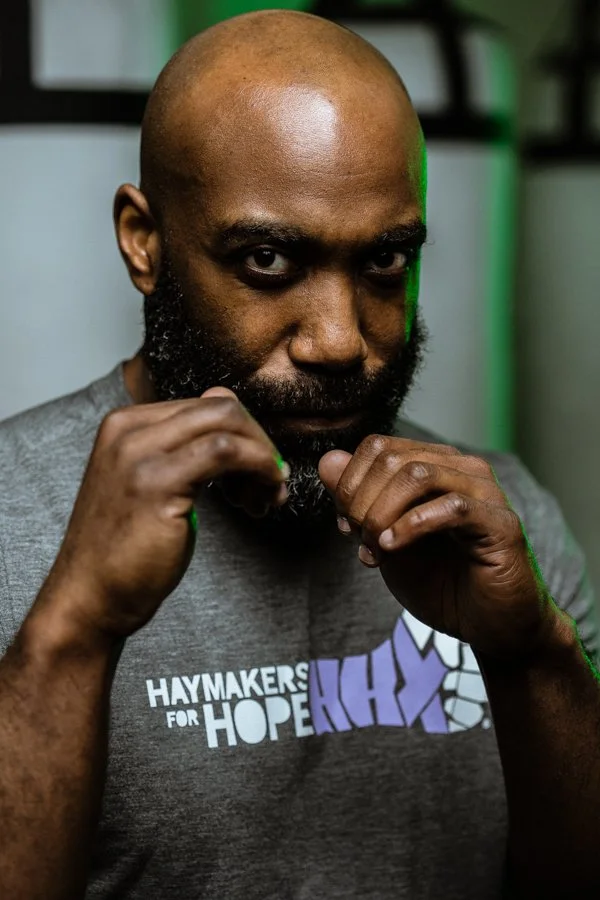
Kori Brown
Regional Head (Director), SharkNinja
Like most recruiters with staying power, Kori Brown didn’t set out to build a career in talent acquisition — recruiting found him.
Growing up in Buffalo, New York, Brown carried a competitive, team-first mindset shaped by sports. After college, that mindset followed him to Boston, where a friend introduced him to an early-stage recruiting desk built around hiring former athletes — people with grit, resilience, and a drive to win. At the time, Brown associated recruiting with transactional headhunting. That perception changed quickly.
“What hooked me was realizing I could actually impact someone’s career,” he says. “I could help people see opportunities they didn’t even know existed.”
More than 15 years later, that belief still anchors his work.
From Agency Foundations to Enterprise Impact
Brown’s early years in agency recruiting sharpened his sense of urgency, ownership, and accountability. Working both sides of the desk — business development and candidate relationships — taught him how deeply recruiting intersects with business outcomes.
As his career progressed, the transition from agency to in-house recruiting expanded that impact. No longer just matching candidates to roles, Brown became responsible for building teams that would shape entire organizations.
Today at SharkNinja, recruiting isn’t a support function — it’s a growth engine.
“We’re not passengers,” Brown says. “We’re drivers.”
Efficiency Through Technology — Without Losing the Human Element
Brown doesn’t see AI as a threat to recruiting. He sees it as a force multiplier.
Tools like Greenhouse have streamlined interview scheduling, applicant screening, and reporting — freeing recruiters from administrative drag and allowing them to focus on judgment, relationships, and strategy. Brown also uses ChatGPT to translate raw data into narrative reporting that resonates with business leaders.
“Data alone is just numbers,” he explains. “But when you put a story behind it, people actually understand the impact.”
For Brown, efficiency isn’t about moving faster for its own sake — it’s about getting to better decisions sooner.
“If you resist technology,” he says, “you’re going to fall behind.”
Leaders Who Shaped the Recruiter — and the Leader
Gratitude is a defining theme in Brown’s career.
Early on, Sean Brady gave him his first real shot in recruiting — instilling competitiveness, urgency, and the importance of showing up fully for both candidates and clients. Later, Terry O’Leary reinforced Brown’s belief in his own potential by offering stretch opportunities that expanded his confidence and leadership range.
Today, Brown credits his current manager, Chris Hong, VP of Talent Acquisition at SharkNinja, for modeling the kind of leadership that builds trust rather than compliance.
“He explains the why,” Brown says. “That’s when people really invest.”
Each leader contributed a piece — and Brown built something uniquely his own from it.
The Responsibility of Being a Gatekeeper
As recruiting has evolved — from job boards to LinkedIn, from office-based work to remote, and now into the AI era — Brown believes the responsibility of talent leaders has only grown.
Recruiters, he says, are the gatekeepers of an organization’s future.
“We sell the company. We protect the culture. We decide who moves forward and who doesn’t,” he says. “That’s real power — and it has to be used intentionally.”
At SharkNinja, that intentionality shows up in empathy. Brown believes candidates can feel when a recruiter genuinely has their best interests at heart — and when that trust is present, outcomes improve for everyone.
That belief is personal. Brown is a boomerang employee, having returned to SharkNinja after time away. What brings him pride isn’t just the brand recognition — it’s walking the halls and seeing people he hired years ago now thriving, leading, and building.
“That’s the reward,” he says. “Knowing you played a part in someone’s growth.”
Advice for Talent Leaders Heading Into 2026
Brown’s advice to fellow Talent 100 leaders is simple — but not easy.
Own your value.
Be intentional.
Lead with empathy.
Talent acquisition isn’t a transactional function, he says. It’s a strategic one — and when done well, it shapes products, cultures, and careers for years to come.
“Hire the engineer who builds the next breakthrough product,” Brown says. “Then years later, look back and say — I helped make that happen.”
That belief — in people, in potential, and in responsibility — is what defines KB Brown as a Talent 100 leader.
