Henry Martin
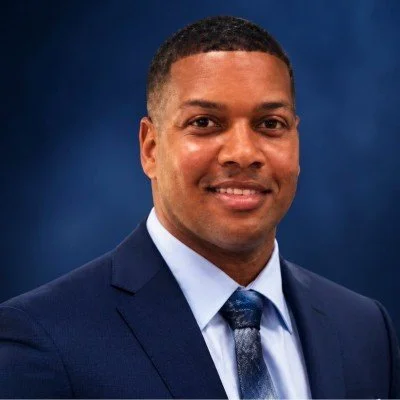
Henry Martin
Senior Recruitment Officer - United States Marine Corps
For Henry Martin, recruiting was never simply a career path.
It was the reason he joined the Marine Corps in the first place.
While many people enter military service driven by the desire to serve on the front lines or pursue operational roles, Henry had a different motivation.
His inspiration came from his own recruiter, Olenar Valmir.
To Henry, Valmir represented everything great recruiting should be.
He put people first.
He invested in futures.
He helped young people find opportunities they may never have seen for themselves.
Whether that meant college, a civilian career, military service, or simply a new direction in life, Valmir had a unique ability to guide people toward possibilities they didn't know existed.
More importantly, he made people believe in themselves.
Henry still remembers the impact that experience had on him.
The way Valmir made him feel was something he wanted to replicate for others.
That experience ultimately shaped one of the biggest decisions of his life.
Henry joined the Marine Corps with the intention of becoming a recruiter.
For him, recruiting was never about filling quotas or meeting numbers.
It was about changing lives.
Throughout his career, Henry saw countless examples of talented individuals being overlooked by schools, employers, or even society itself.
Recruiting gave him the opportunity to advocate for those people.
It allowed him to help individuals who may have been underestimated find confidence, purpose, and opportunity.
Today, as he prepares for retirement after leading recruiting operations across four different regions for the Marine Corps, that mission remains unchanged.
Helping people remains at the center of everything he does.
Lessons From Exceptional Leaders
Henry credits much of his leadership philosophy to three individuals who helped shape his approach to recruiting and leadership.
The first is Phil Staton.
According to Henry, Staton instilled in him the importance of mastering the craft of recruiting through continuous learning.
Knowledge, he believed, was the foundation of influence.
Without knowledge, recruiters cannot properly advise candidates, build credibility, or effectively communicate opportunity.
Reading, studying, and constantly improving became non-negotiable parts of Henry's development as a recruiter.
The second leader who shaped him was Nelson Morgan.
Where Staton emphasized knowledge, Morgan demonstrated the power of personality and human connection.
Henry describes him as the life of the party.
His charisma and authenticity helped candidates relax and show their true selves during conversations and interviews.
For Henry, this reinforced an important lesson:
Recruiters are not hiring resumes.
They are hiring people.
Creating an environment where candidates feel comfortable enough to be authentic often leads to better hiring decisions.
The third influence was Chris Siegman.
Henry describes Siegman as one of the most analytical leaders he has ever worked with.
More importantly, he understood the value of building complementary teams.
Rather than attempting to excel at everything himself, Siegman surrounded himself with people whose strengths balanced his own weaknesses.
That humility and self-awareness left a lasting impression on Henry.
Great leadership, he believes, often begins with understanding what you are not good at and empowering others to fill those gaps.
Recruiting in the Age of Artificial Intelligence
Like most talent leaders, Henry has watched artificial intelligence rapidly reshape recruiting.
As someone currently navigating his own transition into the civilian workforce, he has experienced these changes from both sides of the hiring process.
One of the most obvious shifts is resume screening.
Candidates increasingly find themselves being evaluated by algorithms before ever speaking with a recruiter.
Artificial intelligence has become the first gatekeeper in many hiring processes.
Within recruiting teams themselves, Henry sees AI creating opportunities to improve efficiency and productivity.
Social media content creation, sourcing support, messaging assistance, and administrative tasks can all benefit from automation.
For Henry, the technology is no longer optional.
It is here to stay.
Organizations that fail to adopt it risk being left behind.
At the same time, he believes the industry is still in the very early stages of understanding AI's long-term impact.
Technology can improve speed and efficiency.
What it cannot replace is human judgment.
Candidates will eventually learn how to navigate AI systems, optimize applications, and work around automated filters.
Recruiting will still require people who can assess character, motivation, culture fit, and personality.
For Henry, the future of recruiting will always require a balance between technology and human connection.
AI may support the process.
Humans will continue to define it.
Putting People First
If Henry could offer one piece of advice to talent leaders, it would be simple:
Put people first.
Too often, organizations prioritize processes, metrics, and short-term outcomes over the people who ultimately create those results.
Henry believes the opposite approach creates stronger organizations.
When leaders invest in people, the organization follows.
Hiring the right individuals requires patience.
It requires discipline.
It often requires sorting through thousands of applications and investing significant time into identifying the right fit.
But great organizations are built by great people.
Once those people are in place, leaders must continue investing in them.
Training cannot be viewed as a one-time event.
Development is continuous.
Henry often hears stories of employees receiving little more than a laptop and a desk before being expected to perform at a high level.
To him, that approach guarantees disappointment.
People are an organization's currency.
Leaders who fail to invest in their teams should not expect long-term success.
Short-term gains may be possible.
Sustainable success is not.
Leadership Is About Impact
As Henry reflects on his career, one lesson continues to guide him.
"Riches are in the heart because it's about how you make people feel."
The quote has become a personal philosophy.
Leaders who focus only on personal accolades, titles, and achievements often find themselves isolated.
Leadership, in Henry's view, is ultimately about service.
It is about helping others grow.
It is about creating opportunities.
It is about leaving people better than you found them.
Throughout a career spent recruiting, mentoring, and developing future leaders, that philosophy has remained constant.
Whether helping young men and women join the Marine Corps or advising organizations on talent strategy, Henry Martin has always viewed recruiting as something bigger than hiring.
For him, recruiting has always been about changing lives.
And that is exactly what he set out to do from the very beginning.
