Donisha Diagne
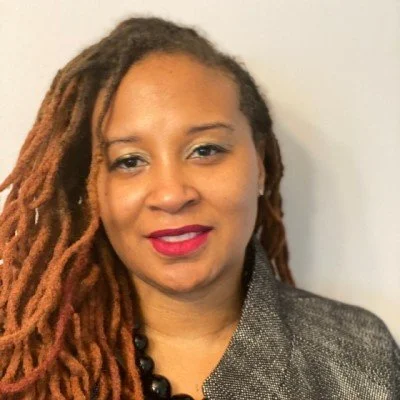
Donisha Diagne
Vice President, Talent & Engagement -
For Donisha Diagne, recruiting wasn’t the starting point of her career—it was the natural evolution of more than two decades spent helping organizations develop people, shape culture, and strengthen employee experiences.
Before stepping fully into talent acquisition, Donisha built her career across a wide range of HR disciplines, including learning and development, talent management, employee engagement, and employee experience.
Those experiences gave her a deep understanding of how organizations grow, how teams evolve, and what employees need in order to thrive long term.
While she had previously “dabbled” in recruiting throughout her HR career, it wasn’t until the end of last year that she officially transitioned into a dedicated talent acquisition leadership role.
That transition offered her an entirely new perspective on the hiring process and how recruiting influences the broader future of work.
“It has been an absolute learning experience,” she shared. “Especially where we are today with AI and all of the changes coming with artificial intelligence.”
For Donisha, talent acquisition is far more than simply filling open roles. It’s about understanding how talent strategy connects to business growth, organizational culture, and long-term workforce planning.
Her extensive background across multiple HR functions allows her to approach recruiting through a uniquely holistic lens—one that balances operational effectiveness with employee-centered leadership.
What Shaped Her Leadership Philosophy
Throughout her career, Donisha has been deeply influenced by leaders who modeled inclusive hiring, courageous leadership, and long-term talent development.
One of the earliest and most impactful mentors in her journey was Phil Anderson, whom she worked with during her time at Sikorsky Aircraft.
According to Donisha, Phil stood out because of the intentional care he brought to the recruiting process and his strong commitment to diversity and inclusion long before those conversations became mainstream across the industry.
“He really pushed for an inclusive hiring experience,” she explained.
Watching that work in practice gave Donisha one of her first real examples of how recruiting can directly influence equity, representation, and organizational culture.
Another major influence has been Bill Koukoulis, whom Donisha describes as both courageous and highly adaptable in the way he approaches talent strategy.
She especially admired his ability to bridge the gap between learning and development and talent acquisition—two areas Donisha herself has spent much of her career navigating.
For Donisha, Bill demonstrated that successful recruiting leaders don’t just focus on attracting talent; they also help organizations understand how to develop, support, and retain people once they arrive.
She also highlighted Jamie Adasie for her thoughtful approach to inclusivity and Siobhan Fontenot for her innovative, forward-thinking perspective on talent strategy.
Each of those leaders helped reinforce Donisha’s belief that recruiting is ultimately about people, relationships, and building organizations that are prepared for the future.
How AI Is Reshaping Recruiting
Donisha believes artificial intelligence is fundamentally transforming recruiting—not just through automation, but by redefining the role recruiters play inside organizations.
According to her, recruiting has steadily evolved away from being viewed as a purely transactional function and toward becoming a far more strategic business partner.
AI and recruiting technology are accelerating that shift.
“One of the biggest changes is the level of tools and technology now available,” she explained.
Today’s platforms allow recruiting teams to move faster, create greater transparency, improve collaboration with hiring managers, and gain deeper talent insights earlier in the hiring process.
Rather than manually searching through large candidate pools with limited information, recruiters now have access to tools that help identify stronger alignment between talent and organizational needs much earlier in the process.
For Donisha, that changes not only the speed of recruiting but also the skill set recruiters themselves must develop.
“It’s no longer just about getting a job description and going out to find candidates,” she said.
Modern recruiters must understand workforce trends, organizational strategy, emerging technologies, and how to leverage AI tools effectively while still maintaining authentic human relationships.
She believes the recruiters who succeed moving forward will be the ones who combine technical fluency with emotional intelligence and strategic thinking.
Donisha’s Advice for Talent Leaders in 2026
As AI adoption continues accelerating, Donisha encourages talent leaders to actively engage with emerging technologies rather than resist them.
At the same time, she believes leaders must remain intentional about preserving the human side of recruiting.
“We have to really jump into the tools and understand how to best utilize artificial intelligence while also remaining human,” she explained.
For Donisha, AI should be used to streamline processes, improve efficiency, and handle tasks that don’t necessarily require direct human interaction. That creates more space for recruiters to focus on the deeper relationship-building, communication, and strategic advising that organizations increasingly need.
She also believes the rapid pace of change means recruiters must continuously learn and adapt.
Understanding both organizational needs and evolving technology platforms will become a defining advantage for recruiting leaders moving into the future.
Ultimately, Donisha sees the future of recruiting as a balance between innovation and humanity—where technology enhances recruiting effectiveness without replacing the empathy and connection that make great hiring possible.
That thoughtful, future-focused perspective is what makes Donisha Diagne a standout voice in modern talent acquisition—and a deserving member of the Talent 100.
