Daryl Escoto
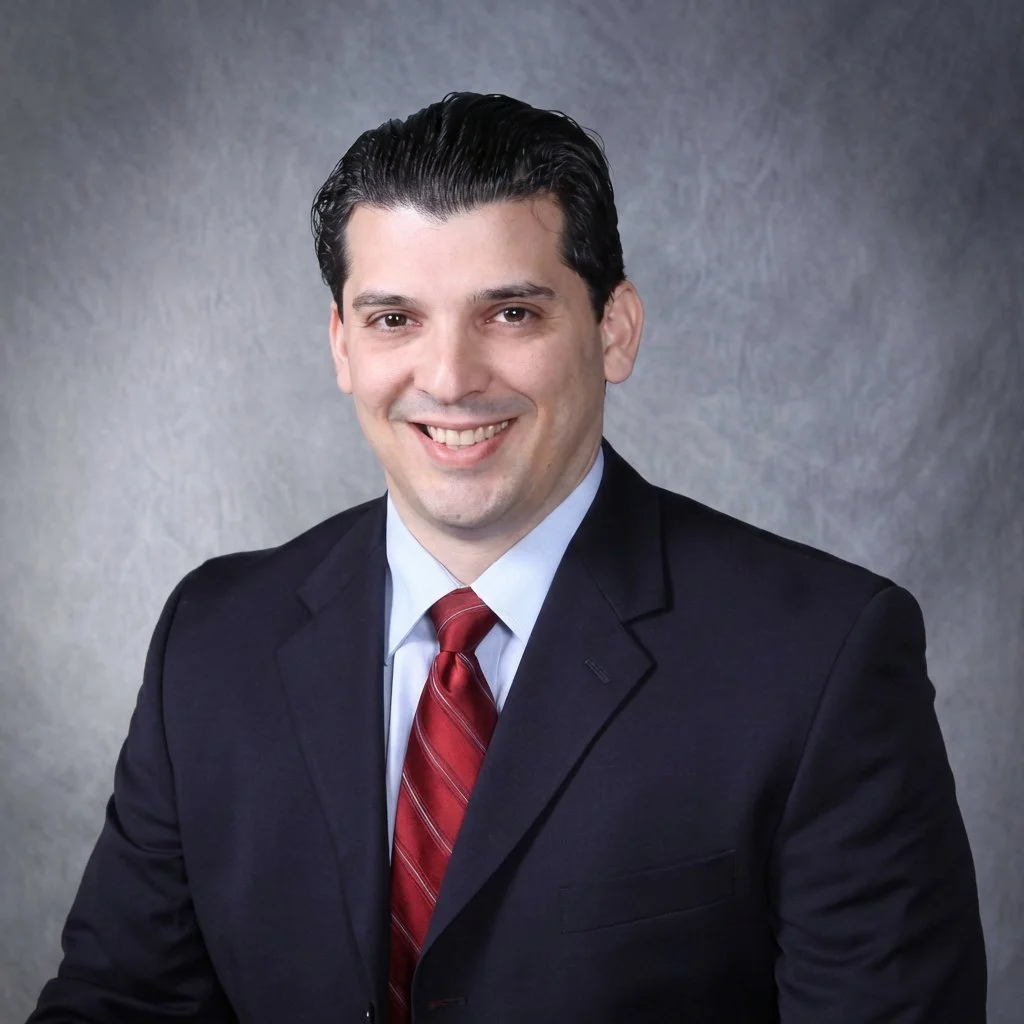
Daryl Escoto
Head of Talent Acquisition, BILL
Daryl Escoto’s career in talent began with a deep love for sourcing—the kind of work he still describes as detective-like. While still in college, he started as a sourcer and quickly discovered an affinity for uncovering hard-to-find talent through nontraditional channels. If money were no object, he says, he’d still happily do that work today.
From there, his career unfolded in anything but a straight line. Daryl moved from sourcing into full-cycle recruiting, spending years in consulting across both federal and commercial environments. In 2011, he stepped into his first leadership role with an opportunity to build a sourcing function from the ground up. Without formal frameworks at the time, he instinctively began defining success metrics, structuring workflows, and setting expectations—essentially creating OKRs before he even knew the term.
Rather than following a traditional recruiter-to-manager trajectory, Daryl’s roles expanded horizontally and vertically. In consulting, he led recruiting for capture teams—partnering closely with business development and program management to support proposals, proofs of concept, and new client pursuits. His responsibility was to ensure that if work was won, teams were staffed immediately and optimally. That experience gave him a front-row seat to how companies grow, how opportunities enter the business, and how talent enables revenue long before roles are formally approved.
In 2015, Daryl transitioned into product-driven organizations, joining Amazon to support hiring across operations and business lines throughout North America. He later moved to Microsoft, where he led recruiting for global data center operations and Azure during a pivotal moment when cloud computing was becoming the industry standard.
From there, he joined Uber, recruiting for self-driving car technology at a time when the talent market largely lived in academia and research. Working on bleeding-edge autonomous systems offered a rare opportunity to build teams for technology that hadn’t yet gone mainstream—an experience that further shaped his belief in hiring for capability, not just job titles.
Daryl eventually joined BILL, where he took on responsibility for all technical recruiting, global recruiting operations, and sourcing—including teams in Australia. He also led multiple post-acquisition integrations, onboarding newly acquired companies into BILL’s compensation structures, leveling frameworks, and core processes. In April, he was named Head of Talent Acquisition, leading the function at a company that blends scale with a strong “Day One” mindset.
What Energizes Him Most
What energizes Daryl most is watching his team do things they’ve never done before.
Over the past year, that has meant deeply integrating AI into recruiting workflows—automating manual processes, eliminating unnecessary work, and giving recruiters time back to focus on higher-impact efforts. For Daryl, technology isn’t about replacing people; it’s about freeing them to live their lives, partner more closely with stakeholders, and spend time where it truly matters.
He’s equally energized by BILL’s culture. Despite being nearly 20 years old, the company retains an entrepreneurial spirit where ownership is encouraged and problem-solving is expected. Teams are empowered to identify broken processes, fix them, and scale improvements across the organization without layers of bureaucracy.
That combination—ownership, innovation, and trust—is what keeps Daryl deeply engaged in the work.
How Recruiting Is Changing
Daryl believes recruiting has fundamentally shifted from filling requisitions to hiring capabilities.
Today’s recruiters are expected to be far more strategic and technical than ever before. Understanding data, identifying trends before they emerge, and advising leaders on workforce strategy are now core competencies—not differentiators. Recruiters must understand the roadmaps of the teams they support, whether those teams drive revenue or manage costs, and how talent decisions impact business outcomes.
He also sees a growing expectation for recruiters to be technically fluent. At BILL, Daryl redeployed team members into IT and AI-focused initiatives, where they learned tools like Gemini and NotebookLM, built agents, wrote app scripts, and automated workflows. His expectation is clear: recruiters are now “citizen developers.”
“If you do a task more than twice, automate it,” he tells his team. “Write it once, run it forever.”
Speed and quality are accelerating simultaneously. What once took a week is now expected in a day. Access to benchmarks, metrics, and market data is faster and more transparent than ever, and recruiters must keep up. The role has evolved into one of proactive partnership—anticipating needs, building pipelines before roles open, and ensuring teams are always optimally staffed.
Daryl’s Advice for 2026
Daryl’s advice to talent leaders heading into 2026 is simple but urgent: get your house in order.
That means tightening core processes, centralizing playbooks, automating wherever possible, and training teams on the technical skills they’ll need going forward. Metrics should be treated as diagnostics—not weapons—used to surface trends, identify opportunities, and guide smarter decisions.
He encourages leaders to move faster in reviewing data, identifying where automation can unlock time, and sharing knowledge across teams and functions. The expectation is no longer to react when a role opens—it’s to be ready before it happens.
Leaders want confidence that talent teams have line of sight into workforce needs, pipelines already in motion, and systems built to start and stop without losing momentum. The future of recruiting, in Daryl’s view, belongs to teams that can operate with agility, foresight, and technical fluency.
That combination—strategic depth, operational rigor, and a builder’s mindset—is what defines Daryl Escoto’s leadership and earns him a well-deserved place in the Talent 100.
