Carl Bernadotte
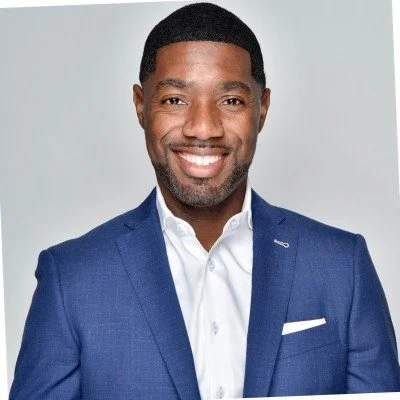
Carl Bernadotte
Global Head, Executive Search & Integration, Global Talent Acquisition Leader, Software - IBM
Like many successful leaders in recruiting, Carl Bernadotte did not originally plan on building a career in talent acquisition.
His journey into recruiting began during his sophomore year at Boston University when he was searching for internship opportunities and came across a role at Russell Reynolds Associates — one of the world’s premier executive search firms.
“It was the end of my sophomore year at Boston University, and I was looking for internships,” Carl shared. “I did the internship and when I got there, the managing partners were traveling all over the world helping people get hired in these very senior executive jobs in financial services and tech. I became hooked.”
That early exposure to executive search gave Carl a firsthand look into the power of talent, leadership, and business transformation.
What began as an internship quickly evolved into a long-term career in executive recruiting and talent acquisition leadership.
After continuing with Russell Reynolds throughout college and receiving a full-time offer, Carl officially entered the executive search industry — and has remained deeply connected to the talent space ever since.
Today, Carl brings years of experience across executive search, corporate recruiting, and talent leadership at some of the world’s most influential companies.
A Leadership Philosophy Built Through Great Mentors
Throughout his career, Carl has been heavily influenced by leaders who shaped the way he thinks about recruiting, leadership, and organizational impact.
“I always love the quote that we stand on the shoulders of giants,” he explained. “There are people that have to bring you along in order for you to get to where you are.”
One of the leaders who had a profound impact on Carl was Jörg Ziegler, who helped Carl transition from the agency side of recruiting into the corporate talent world.
According to Carl, one of the most important lessons he learned from Jörg was the importance of deeply understanding both businesses and people.
“One of the most important currencies that we have in the talent business is our understanding of the space, understanding of businesses, and understanding of people and their motivations.”
Carl also credited Liz Wamai for demonstrating what collaborative leadership truly looks like.
While working together at Meta, Carl observed Liz’s ability to create an environment where everyone felt like a contributor rather than simply reporting into a hierarchy.
“She shared information openly, invited ideas, and actually implemented many of the ideas that came from her leadership team,” he shared.
Another major influence has been his current leader at IBM, Natasha Pillay-Demath, whom Carl described as someone with a remarkable ability to identify potential in others before they see it in themselves.
“She can see where people are today, where their careers might take them tomorrow, and how to influence and motivate them to get the best out of themselves.”
Those experiences helped shape Carl’s own leadership philosophy — one centered around collaboration, strategic thinking, talent development, and deep business understanding.
The Transformational Impact of AI on Recruiting
As artificial intelligence rapidly transforms the recruiting industry, Carl believes the talent landscape is currently experiencing one of the most significant shifts in modern recruiting history.
“We have seen a transformational shift in how we do work,” Carl explained.
For years, recruiting required extensive manual work — sourcing candidates, screening resumes, documenting interviews, gathering feedback, and managing large amounts of administrative tasks.
Carl believes AI is fundamentally changing that process.
From intelligent resume screening to sourcing automation and AI-powered candidate matching, recruiters now have tools that can dramatically reduce time spent on repetitive manual work while improving efficiency.
“AI is saving us a lot of hours,” he said.
Carl specifically highlighted how AI tools are helping recruiters identify stronger-fit talent faster by recognizing patterns across job descriptions, candidate profiles, and hiring requirements.
He also noted how AI-powered tools can assist with note-taking, interview summaries, sourcing recommendations, and workflow automation — freeing recruiters to focus more on strategic hiring conversations and relationship-building.
At the same time, Carl recognizes that AI also introduces new challenges for recruiting teams.
One growing concern is the rise of candidates potentially using AI assistance during interviews or assessments in ways that make it harder to evaluate authentic skills and lived experiences.
“It’s kind of been a double-edged sword,” he explained.
For Carl, the future of recruiting will require organizations to embrace AI innovation while also maintaining strong hiring standards, ethical practices, and human evaluation processes.
AI Literacy Will Define Future Talent Leaders
Looking ahead, Carl believes the recruiters and talent leaders who thrive over the next several years will be the ones who actively learn how to work alongside AI rather than resist it.
“AI isn’t going to take your job,” he explained. “But somebody that knows how to use AI is likely to have an edge.”
At IBM, Carl emphasized that experimentation and AI literacy are already becoming essential parts of modern business operations.
He believes recruiters must become comfortable testing AI systems, understanding how they function, and learning how to responsibly integrate them into recruiting workflows.
“The best thing that we can do is be AI literate.”
Carl also believes the pace of AI advancement will accelerate rapidly over the next several years because modern AI systems continuously improve through learning and data exposure.
“The leap that we’re going to see is going to happen quicker,” he shared.
As organizations continue feeding AI systems more hiring data, job descriptions, candidate profiles, and workflow inputs, Carl expects recruiting technology to become increasingly intelligent, predictive, and efficient.
Still, he believes human judgment, relationship-building, and leadership will remain irreplaceable parts of recruiting.
For Carl, AI should enhance recruiters — not replace them.
His Advice for Talent Leaders in 2026
As the recruiting industry continues evolving, Carl encourages talent leaders to remain adaptable, collaborative, and proactive about understanding emerging technologies.
He believes the future of recruiting belongs to leaders who can balance technological advancement with deep human understanding.
For Carl, great recruiting has always been about understanding businesses, understanding people, and understanding motivation.
AI may improve speed and efficiency, but the human side of recruiting — relationship-building, leadership, judgment, and collaboration — will continue to define exceptional talent professionals.
That balance between strategic leadership, human connection, and forward-thinking innovation is exactly what makes Carl Bernadotte a deserving member of the Talent 100.
