Bryson Kraft
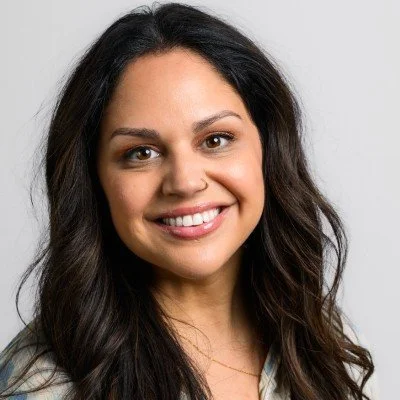
Bryson Kraft
Senior Director People Operations & HR Chief of Staff - Oscar Health
For Bryson Kraft, a career in people leadership started long before she officially entered HR.
Early in her career, Bryson worked at American Express in a role focused on communications and employee engagement. While it wasn't formally part of HR, the position exposed her to many of the people-centered concepts that would later define her career.
Her responsibilities ranged from celebrating employee milestones and recognizing performance to helping the organization navigate change management, leadership transitions, and workforce planning.
“It was a combination of the fun stuff and the hard stuff,” Bryson explains.
Although the role sat within the business rather than HR, it sparked an interest in how organizations support, engage, and develop people.
That curiosity eventually led her toward human resources and the startup world, where she began taking on more traditional HR leadership roles at companies including Stitch Fix, Carvana, and Oscar Health.
While Oscar has since grown into a major organization, Bryson notes that it still carries much of the startup mindset and energy that initially attracted her to the space.
Building Careers by Building People
When reflecting on the people who have influenced her career most, Bryson points to leaders who taught her lessons far beyond HR processes and policies.
One of the most impactful was Rufus McLean, an operations leader at Stitch Fix.
Bryson credits Rufus with helping her think more intentionally about career development—not only her own, but the careers of the people around her.
One lesson, in particular, has stayed with her throughout her leadership journey.
“Once you know something, you’ve got to let it go so you can expand your resume and your remit.”
That mindset shaped how Bryson approaches development conversations today. Whether someone reports directly to her or is simply seeking mentorship, she encourages people to continuously create space for growth by stepping beyond what they have already mastered.
Another influential leader has been Rebecca Krause, Oscar Health’s Chief People Officer.
Bryson admires her practical, business-minded approach to HR and her insistence that people practices remain grounded in reality rather than theory.
“She has a view of no hand-wavy HR,” Bryson says.
For Rebecca, people programs only matter if employees can connect with them in a meaningful way. High-level concepts and abstract frameworks mean little unless they translate into tangible outcomes that people can understand and experience.
That philosophy has strongly influenced Bryson’s own leadership style.
Interestingly, many of the leaders Bryson admires most have not spent their entire careers in HR. Instead, they have moved between business functions and people leadership, bringing broader business perspectives into the work.
For Bryson, that cross-functional experience creates stronger HR leaders because it keeps the focus on solving real business challenges rather than simply administering people programs.
The Role of AI in Talent and HR
Like many people leaders, Bryson sees artificial intelligence as one of the most significant shifts currently impacting the profession.
At the same time, she believes most organizations are still in the early stages of understanding its potential.
“We’re early days over here,” she says.
Rather than viewing AI as a finished solution, Bryson sees it as an opportunity to rethink how organizations communicate, attract talent, and leverage data.
One of the primary areas where her team has begun experimenting is around job profiling and talent attraction.
AI can help organizations communicate opportunities in ways that better reflect how candidates describe themselves and their skills, creating stronger alignment between talent and roles.
Beyond recruiting, Bryson sees opportunities for AI to improve how HR teams communicate insights and make data more actionable across the business.
However, she views the current moment less as a technology transformation and more as a learning phase.
“We’re understanding what needs to change and creating a path forward to do that.”
For Bryson, the real challenge is not implementing AI itself, but understanding where it creates meaningful value and how organizations can thoughtfully incorporate it into existing ways of working.
Talent Is Still the Most Important Asset
As organizations continue navigating rapid change, Bryson believes one truth remains constant: talent is the foundation of everything a company hopes to achieve.
Her advice for leaders heading into 2026 is simple but powerful.
“If you want to do cool things, you need people who want to do it with you.”
For Bryson, great companies are built by attracting the right people, developing them, recognizing their contributions, and making difficult decisions when the fit is no longer right.
Technology, strategy, and innovation all matter, but none of them can succeed without engaged people behind them.
That is why talent acquisition, people operations, and leadership development remain critical functions regardless of how much technology evolves.
The organizations that thrive will be the ones that continue investing in their people while creating environments where individuals want to contribute to a shared mission.
By combining practical business thinking, people-centered leadership, and a thoughtful approach to innovation, Bryson Kraft represents the kind of modern people leader helping organizations prepare for what comes next.
