Brian Blandford
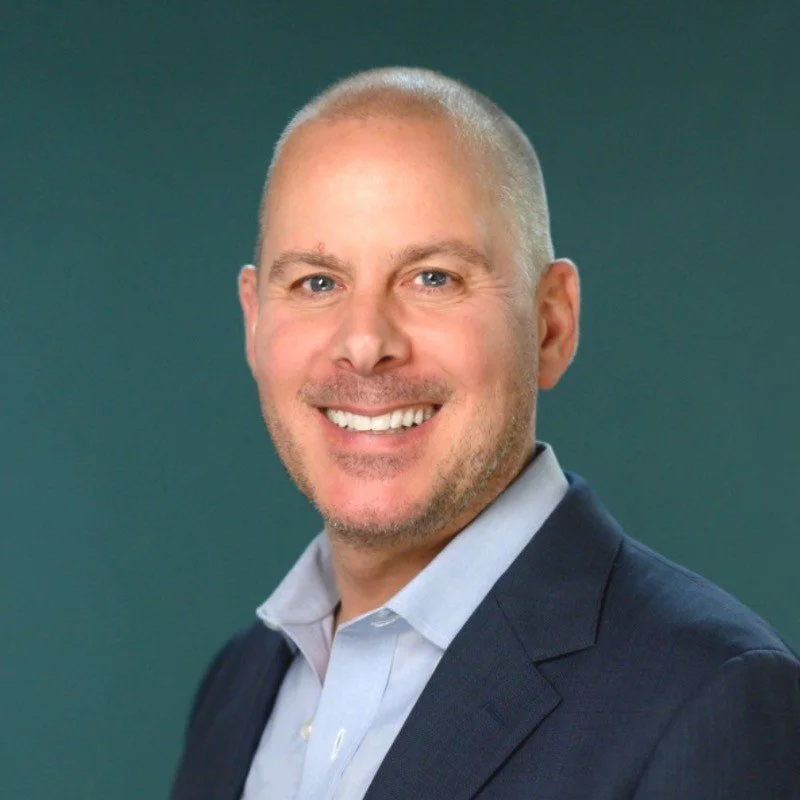
Brian Blandford
SVP, Talent Operations & Delivery, Talentcare
Brian Blandford didn’t begin his career in talent acquisition — and that distinction has shaped how he approaches the work ever since.
The first half of his career was spent firmly on the business side, holding roles across marketing, sales operations, and project management, primarily within the healthcare industry. His work consistently supported large, complex sales organizations, grounding him in metrics, scale, and operational impact long before he ever touched recruiting.
That changed during his tenure at Bankers Life.
After six years on the business side, Brian was asked to step into talent acquisition when the leader overseeing sales technology and recruiting exited the organization. At the time, he had no formal TA background — but the challenge was exactly what he was looking for.
“I jumped in not knowing anything about TA,” he recalls. “And we were hiring thousands of people a year across hundreds of sales offices.”
Transforming TA Through a Business Lens
What Brian walked into would barely resemble modern talent acquisition. At the time, the operation relied heavily on high-volume external sourcing and manual outreach.
Over the next decade, Brian helped reshape the function, bringing a structured, business-aligned approach to recruiting. He:
Build geographically aligned recruiting teams.
Optimized end-to-end processes, improved efficiency, and reduced expenses.
Introduced analytics and performance measurement.
Consolidated enterprise-wide TA operations
All with a focus on aligning talent strategy to measurable business outcomes.
“I didn’t grow up in HR,” he explains. “I came from the business. TA was aligned to the business — not tucked under HR.”
That perspective became a defining advantage. Rather than viewing recruiting as a service function, Brian tied decisions to impact on revenue, productivity, retention, and overall organizational success.
AI, Scale, and the Evolving Role of TA
Today, Brian operates in a startup environment focused on optimizing delivery operations, high-volume, distributed workforce hiring driving value for clients.
For Brian, TA is becoming less transactional and more consultative, emphasizing insight, strategy, and partnership over purely administrative tasks.
Leaders Who Shaped His Career
Brian credits several leaders who influenced his perspective:
Phil Yob — Provided a traditional HR lens to TA, helping deepen his understanding of the broader talent function.
Peter Wilkins (Bankers Life) — Offered executive mentorship across sales, operations, and leadership, and emphasized strong partnership with internal customers.
Jay DiPrizio (Indeed) — Provided strategic insight into vendor partnerships and the effective use of recruiting technology.
Advice for Talent Leaders Heading Into 2026
For Brian, the future of talent acquisition can be summed up in one word: data.
“Technology will change. Platforms will rise and fall. But the one language that doesn’t change is data. Analyzing data in more insightful, action-oriented, and business-impact focused ways will differentiate TA into a more valuable function for any organization.”
He encourages TA leaders to:
Use data to tell a clear business story
Focus on measurable impact, not just activity
Connect hiring outcomes to business performance
Combine strong analytics with human judgment
By grounding decisions in data while maintaining a human-centered approach, talent leaders can elevate TA into a true strategic business partner.
“That’s where the future of the profession lies.”
