Anthony Stough
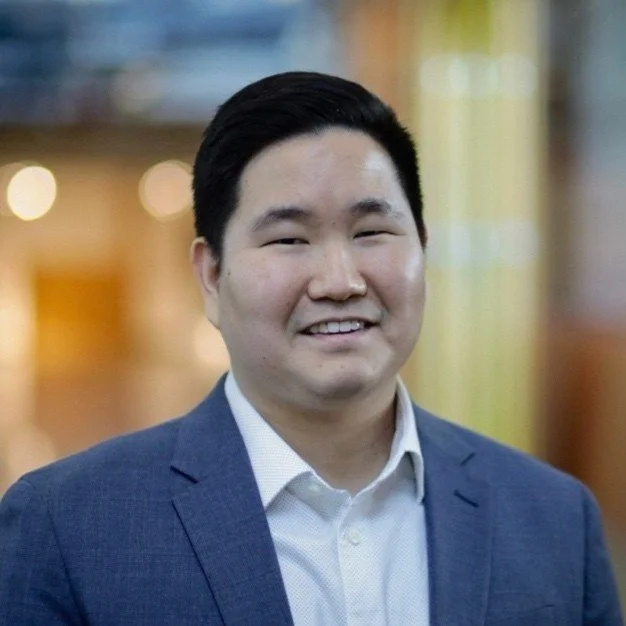
Anthony Stough
Director, Human Resources, Decision Resources
Anthony Stough’s path into recruiting began with service—not strategy.
He started his career as a Human Resources officer in the United States Army, a role he stepped into after an unexpected injury during his ROTC training redirected his original plans. What initially felt like a detour quickly became a defining moment.
Through that experience, he discovered a genuine passion for human resources.
After transitioning out of the military, he brought that foundation into the private sector, eventually stepping into his first dedicated recruiting role within a major healthcare system in Pittsburgh. There, he operated in a high-volume, high-impact environment—managing dozens of roles simultaneously across functions like finance, legal, sales, and marketing.
It was a demanding pace, but one that sharpened his ability to assess talent, move quickly, and deliver results at scale.
What began as an unexpected pivot evolved into a career grounded in adaptability, resilience, and a deep understanding of people.
Leadership Rooted in Service and Accountability
Much of his leadership philosophy is shaped by the individuals he learned from early in his career—particularly those from his time in the military.
These leaders instilled a mindset that leadership is not about authority, but about accountability and courage. Even in highly structured environments, they demonstrated that doing the right thing sometimes means challenging the status quo.
One defining experience involved helping restructure a large organization—reducing its size significantly while ensuring individuals were placed into new opportunities rather than simply being let go. It was a complex, human-centered challenge that required both strategic thinking and empathy.
A lasting lesson came from Frederick Babauta, who offered a simple but powerful perspective during a high-pressure moment: sometimes, context changes everything.
Today, that foundation is complemented by leaders like John Sheets and Bill Titus at Decision Resources. Their leadership reinforces a culture of trust, clarity, and support—further shaping how he approaches his role as a talent and HR leader.
Across every stage of his career, one theme remains consistent: leadership is about empowering others while staying grounded in purpose.
AI Is a Tool—But Judgment Still Matters
As artificial intelligence becomes more embedded in recruiting, he sees it as both an opportunity and a responsibility.
AI is no longer optional—it is already integrated into many systems and workflows. The real question is not whether to use it, but how effectively it is being used.
At its core, AI reflects the quality of the input it receives. Strong, thoughtful prompts lead to valuable insights, while weak inputs produce limited results. This places a new level of responsibility on recruiters and HR professionals to engage with these tools in a more intentional and strategic way.
At the same time, he recognizes the potential risks—particularly around bias and fairness. As someone with experience in workforce development and DEI, he emphasizes the importance of actively shaping how AI is implemented, rather than passively adopting it.
For him, HR leaders are not just users of AI—they are stewards of how it impacts people.
Advice for Talent Leaders Navigating 2026
Looking ahead, his advice centers on one critical shift: empathy.
The recruiting landscape has changed dramatically. Automation has made it easier than ever for candidates to apply to roles—sometimes without even realizing it. AI-driven platforms can submit applications at scale, creating a disconnect between candidates and the opportunities they pursue.
As a result, recruiters are no longer just evaluating candidates—they are navigating an increasingly complex and impersonal system.
In this environment, empathy becomes a competitive advantage.
Candidates may not know your company. They may not remember applying. They may simply be trying to find stability in a crowded and fast-moving job market. Understanding that reality—and responding with clarity and compassion—can significantly improve both outcomes and experiences.
At the same time, he acknowledges that platforms like LinkedIn have evolved, changing how professionals connect and engage. Adapting to these shifts is essential, but it must be done with intention.
For talent leaders, success in 2026 will not just be about adopting new tools—it will be about staying human in a system that is becoming increasingly automated.
In a world driven by speed and scale, the ability to understand, connect, and empathize will remain the most valuable skill of all.
